Aquaculture has surpassed industrial fishing as the largest source of fish and shellfish by marketing itself as the solution to overfishing and ocean decline. In truth, it is the newest form of factory farming, rapidly spreading through public waters. Through greenwashing and misleading certifications, the industry has persuaded climate leaders, food service professionals, and consumers that it is sustainable—while in reality it fuels overfishing, pollutes ecosystems, threatens food security, and raises fish in dirty and unhealthy conditions.
The Aquaculture Accountability Project exists to cut through these myths. By holding the industry accountable and exposing its false claims, we work to replace the illusion of “sustainable seafood” with true solutions that scale back sea animal consumption, protect oceans, and build a healthier food future.
We are working to spark a turning point: fewer institutions endorsing greenwashing certifications, more menus moving away from fish and crustaceans, and a growing recognition that sea animal reduction is essential to climate and ocean protection.
Looking a decade ahead, we envision a food system where fish overconsumption is no longer seen as inevitable—or “sustainable.” In this future, demand for farmed fish has slowed, aquaculture’s unchecked growth has been curbed, and plant-forward menus are the norm in campuses, companies, and communities across North America. As these shifts take hold, fewer sea animals will be farmed and caught each year, coastal ecosystems will have a chance to recover, and the story of what it means to “protect the oceans” will have fundamentally changed.
We hold industrial fish farming accountable by testing its sustainability claims against empirical research, and informing and educating consumers and advocates about industry practices. Our work focuses on three priorities:
Engage universities, corporations, and NGOs to revise food policies, drop endorsements of deceptive certifications, and commit to reducing sea animal purchasing—shifting millions of meals toward ocean-friendly options.
Collaborate with ocean and climate NGOs to expose greenwashing, improve consumer recommendations, and elevate animal-based seafood reduction as a core sustainability strategy.
Use research, media outreach, and campaigns to build public awareness, dismantle aquaculture’s greenwashing, and make animal-based seafood reduction a recognized climate and ocean solution.
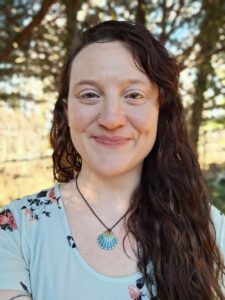
Laura Lee Cascada is an environmental advocate and investigative researcher with a master’s degree from Johns Hopkins and 15+ years advancing evidence-based food system change. She founded the Aquaculture Accountability Project to expose misleading sustainability narratives driving industrial fish farming and support a shift to ocean-friendly meals. Previously, her reporting helped shut down Hawaii’s only octopus farm, and she has led campaigns advancing plant-forward commitments across cities and major companies. A freediver and lifelong ocean lover, Laura is driven by a vision for a food system that genuinely protects our oceans.
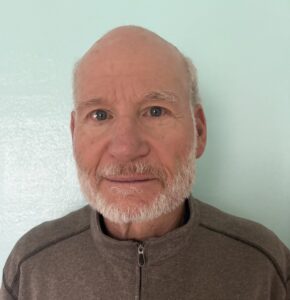
Benjamin Cuker, PhD, is Professor Emeritus in the Department of Marine and Environmental Science, Hampton University, a 1999 Pew Fellow in Marine Conservation, author of “Diet for a Sustainable Ecosystem: The science for recovering the health of the Chesapeake Bay and its people,” and
noted for promoting DEI in the aquatic sciences.
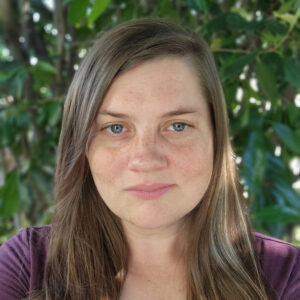
Katie Gillespie, PhD, is VP of Research and Strategy at Farm Forward. Her work focuses on the harms of animal agriculture and building more ethical, sustainable food systems. She is the author of The Cow with Ear Tag #1389, a book about the lives of cows in the dairy industry.

Andrew is the Executive Director of Farm Forward, where he advocates for safe, healthy, and humane farming. An expert in food labeling and certifications, he works closely with food companies, universities, and cities on responsible procurement. His work has been featured in the New York Times, Civil Eats, and other leading publications.