
Sea animal products are often marketed as “ocean-friendly,” but most fisheries are stressed or overfished, and fish farms rely on wild fish for feed while generating pollution and carrying a heavy climate toll. Here are three easy ways to make more sustainable choices:
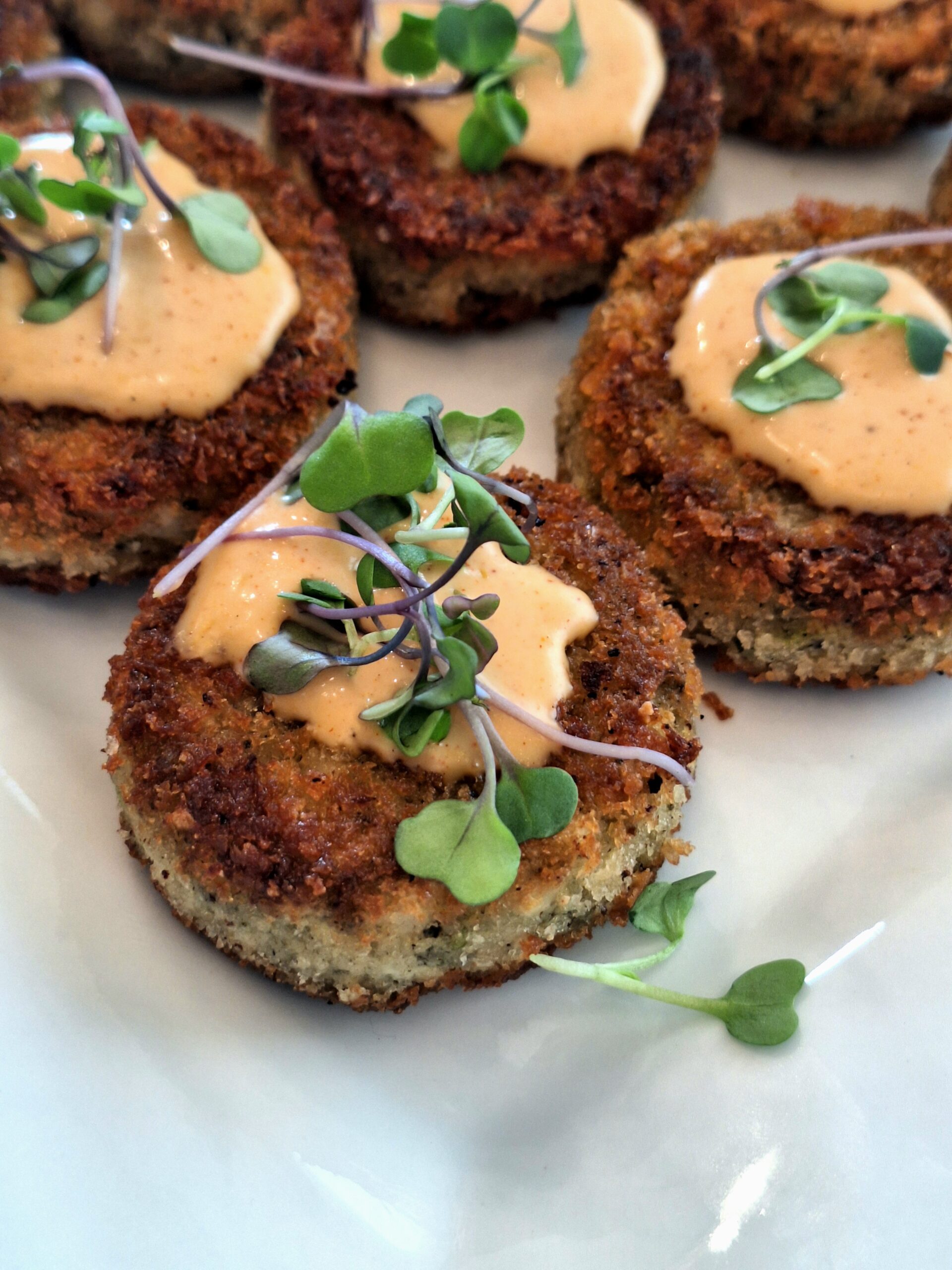
Cutting back is the most effective step you can take. Most wild fisheries are at or beyond their limits, and fish farming doesn’t relieve that pressure—it uses millions of tons of wild fish for feed and creates climate impacts similar to other animal products. Try swapping one or two animal-based seafood meals a week with plant-based options, or aiming for cutting back on fish purchases by half. There are many delicious fish-free dishes you can try, from tofu-based salmon to crabless cakes and veggie sushi.
With this shift, you’ll also reduce exposure to mercury, PCBs, antibiotic residues, and drug-resistant bacteria—plus lower the risk for friends and family members with fish and shellfish allergies, which are among the top food allergens in the U.S.
If you only change one habit, make it this: avoid farmed salmon and shrimp, the two most harmful sea animal products. Compared with other species, farmed salmon rely more heavily on wild-caught fish for feed and spread waste, parasites, and disease into surrounding waters. Shrimp farming is the most GHG-intensive seafood sector, destroys mangrove forests, and often involves heavy chemical and antibiotic use, leaving polluted ponds behind. Shrimp also tend to carry high microplastic loads.
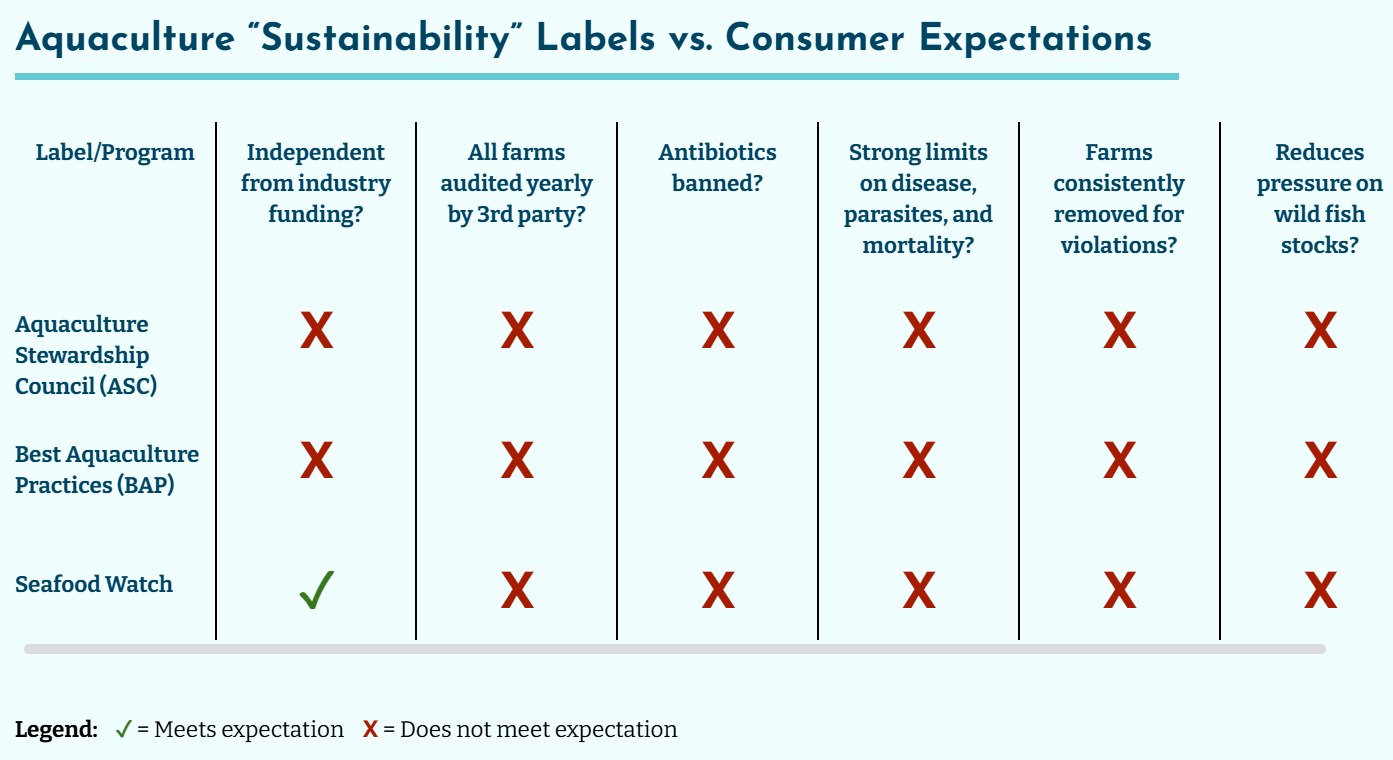
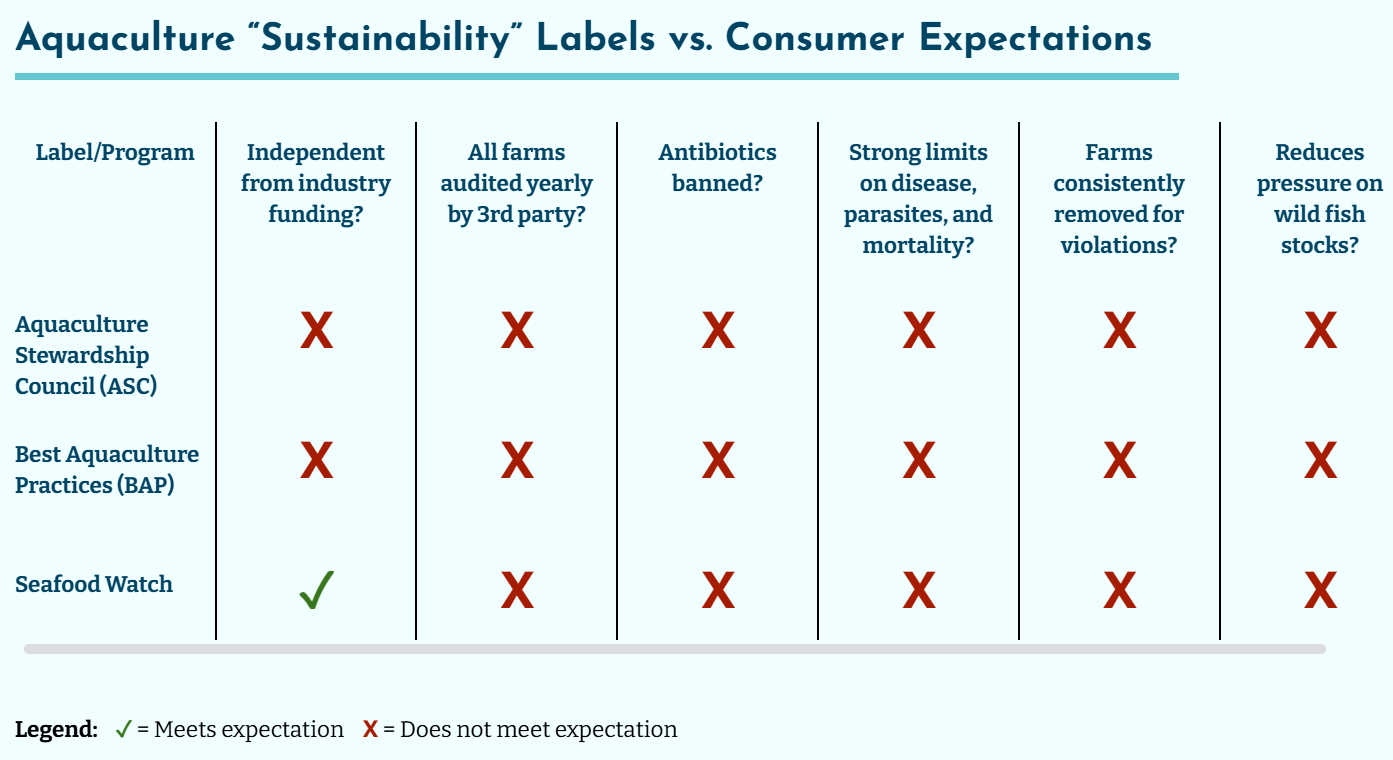
Terms like “responsibly farmed” or “sustainably sourced” function as marketing tools rather than guarantees, while even major certifications allow crowded fish or shrimp farms, routine drug use, and continued pressure on wild fish stocks.
Keep in mind these tips: Treat broad sustainability claims as red flags, not reassurance. Check out our research on the most popular aquaculture certifications and ask yourself whether they align with your values for a healthy ocean. When in doubt, choosing plant-based options is the most sustainable choice.
When shoppers buy sea animal products less often, skip salmon and shrimp, and question greenwashing labels, stores and restaurants notice. These small decisions help shift demand away from the most harmful products and toward more sustainable food systems.
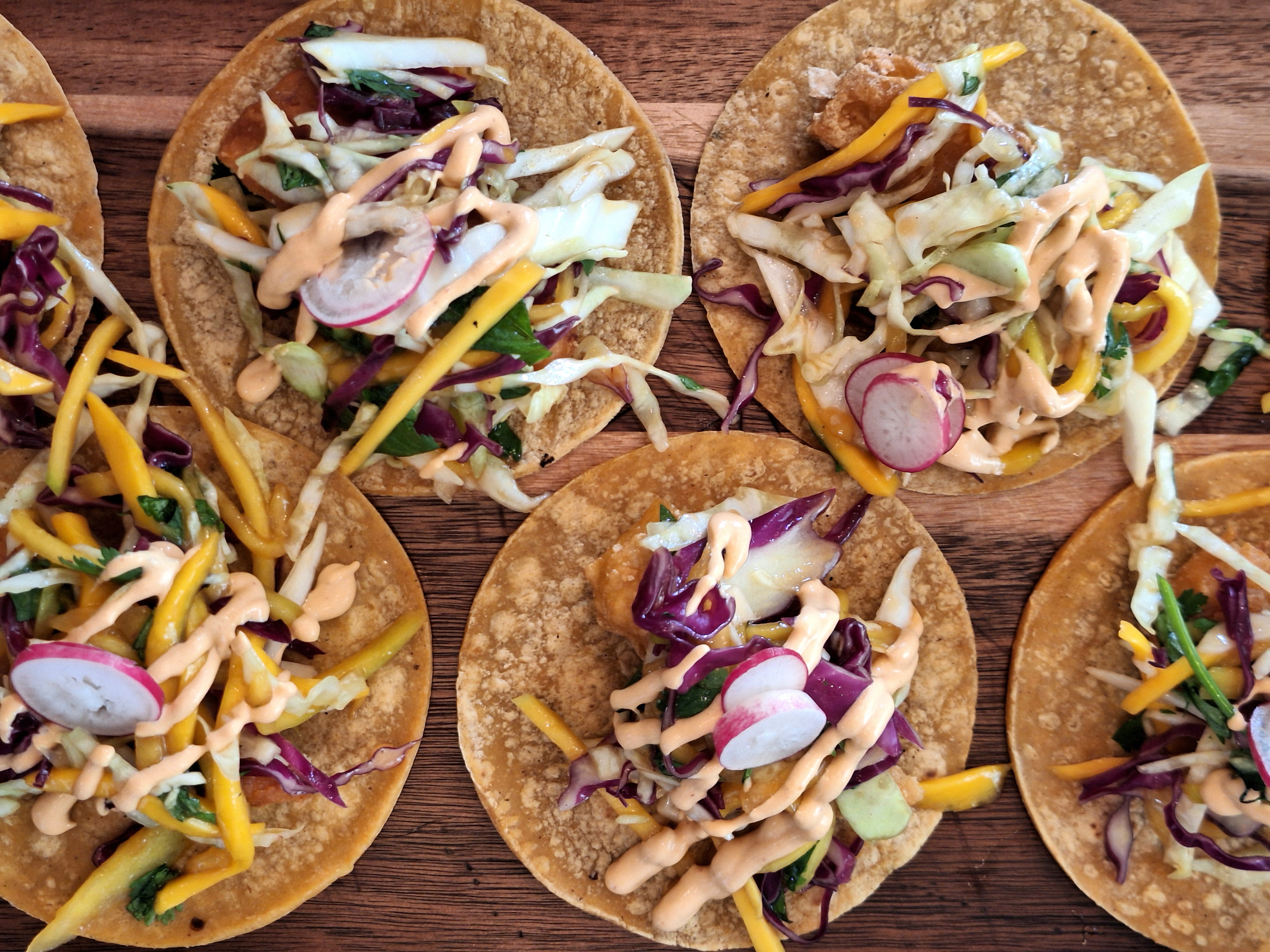
If your university, company, or organization is serious about climate action, seafood can’t be overlooked. Both catching and farming sea animals contribute to overfishing, put pressure on marine ecosystems, and carry a significant climate burden. This guide offers three concrete actions—scaling back sea animal purchases, removing farmed salmon and shrimp from menus, and rethinking your seafood commitments—that will establish your dining program as a leader in climate and ocean stewardship.
Across the country, dining leaders are transforming their menus to meet bold climate and sustainability goals. Major foodservice providers like Sodexo, Aramark, and Compass Group, along with hundreds of universities and workplaces, are already cutting animal products and making their menus more plant-forward to lower food-related emissions. It’s critical for sea animals to be included in these shifts. To capture the full climate and ocean benefits of these efforts, we recommend reducing fish and crustacean procurement by 50% over the next several years.
Scaling back on sea animal purchases also improves dining safety and accessibility. Fish and shellfish are two of the top 9 allergens in the U.S., with shellfish being the most common food allergy among adults. Cutting back lowers the risk of severe reactions, while also reducing exposure to contaminants like mercury and PCBs, antibiotic residues, and drug-resistant bacteria frequently found in seafood.
Reducing sea animal purchasing is the most powerful action you can take—and prioritizing farmed salmon and shrimp, the most harmful industry sectors, makes an immediate and meaningful difference. Compared with other species, farmed salmon consume huge amounts of wild-caught fish, depleting forage stocks, while their crowded pens pollute coastal waters with waste, parasites, and disease. Shrimp farming is the most emissions-intensive seafood sector. It destroys mangroves—critical carbon sinks and storm barriers—and relies on heavy chemical and antibiotic use that leaves behind “dead zone” ponds. Shrimp also carry some of the highest microplastic loads of any seafood tested.
Phasing out farmed salmon and shrimp removes support for the industry’s most damaging sectors and signals leadership on climate and ocean protection—an approach students support. At Scripps College, a student survey found the majority favored removing shrimp, and dining services quickly agreed to the change.
Many food service leaders include “sustainable seafood” certifications in their dining policies. However, most major seafood certifications function more as marketing tools than meaningful guarantees. Because of industry influence, low standards, and limited enforcement, these labels fail to ensure real environmental sustainability.
At an industrial scale, certifications cannot solve the underlying problems of high-volume fish and shrimp farming: crowded ponds, heavy chemical and antibiotic use, disease outbreaks, water pollution, and resource-intensive feed production. Similarly, many wild-caught certifications overlook critical issues like bycatch, habitat destruction, and overfishing.
This makes your seafood policy an important place to pause and reflect:
If the answer is no, the most effective step is to remove weak certifications and vague sustainability claims, rather than allowing them undermine your commitment through greenwashing.
Best of all, this is an opportunity to strengthen your leadership: as you update your seafood policy, you can add a clear commitment to reducing overall fish and crustacean purchasing. This ensures that your policy doesn’t just avoid greenwashing, but actively drives progress on climate action, biodiversity protection, and responsible sourcing.
We’d love to talk with you about how these solutions might fit your own dining setting and plug you in with helpful resources on how to shift to more sustainable proteins. Contact us to start the conversation.